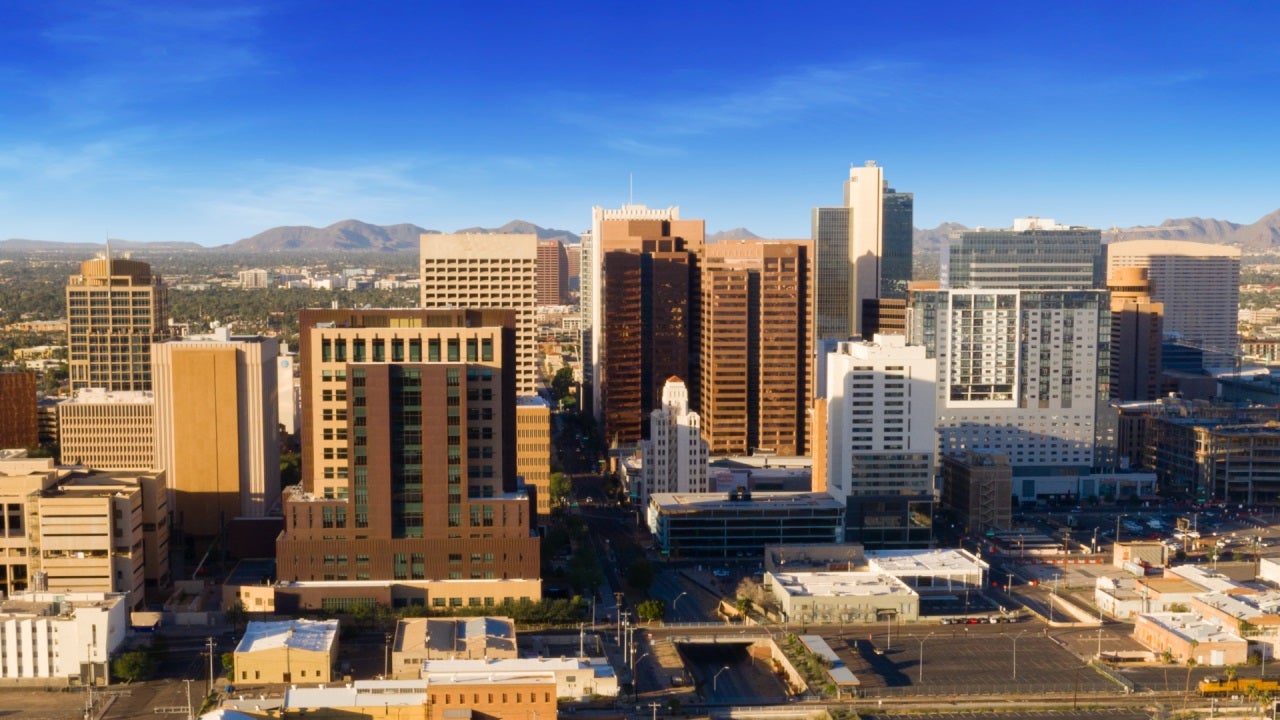
Buckeye is one of the fastest growing cities in the United States according to census data. Overall, population growth in the Greater Phoenix Area increased Maricopa County’s population by 15.8 percent. Irene Snyder from FOX 10 reports. PHOENIX (AP) – Phoenix was the fastest growing major city in the United States between 2010 and 2020 as it added 163,000 more residents, according to data released Thursday by the US Census Bureau. Two of its suburbs – Buckeye and Goodyear in the West Valley – were among the top 10 fastest growing cities in the United States during the decade. Growth in the Greater Phoenix Area increased Maricopa County’s population by 15.8%. City Officials: Goodyear has seen population grow sharply According to Goodyear city officials, the city of West Valley has grown 46% over the past decade, according to census data. The city now has 95,294 inhabitants, up from 65,275 in 2010. “Our city is a great place to live, work and play. Our staff and the city council work very hard to ensure a high quality of life for our residents and we look forward to welcoming those who want to live in our great city, “Goodyear Mayor Georgia Lord said in a statement. the new data comes as the city celebrates the 75th anniversary of its founding. Buckeye Residents See Population Increase According to census data, Buckeye’s population has increased by 80%, with the city of West Valley now home to 91,000 people It has to do with lifestyle, amenities and quality of city services and there are a myriad of different reasons people come here, “said David Roderique, Buckeye’s deputy city manager and director of economic development. Roderique said that Buckeye recorded steady growth despite the pandemic with the city receiving an average of 300 new building permits for single-family homes per month. Then there is the constantly growing retail space. “We all have retail and commercial services,” said Roderique. “For example, last week we announced that Core Power was coming to Buckeye. You’re going to build a million square foot facility with 3,000 jobs, and these kinds of opportunities are what people are looking for and why they come out. “Carolyn Clay said she’s seen a lot of changes in the last six years living and working in Buckeye.” I think it’s great. I love it, but we still keep that little community feeling, “said Clay. Not everyone, however, is excited about Buckeye’s growth. Long-time resident Joel Hanger says he’s not too happy with so many businesses and people coming to town . “I can not stand. I wish people would go elsewhere. I like the rural country lifestyle and it’s just not what it used to be, “Hanger said. Some counties in Arizona are seeing depopulation. Greenlee County, on the New Mexico border, remains Arizona’s smallest county, but it grew by 13.3 % – the second fastest growing county – to nearly 9,600 residents. Pinal County, which exploded with affordable housing on the fringes of Metro Phoenix, grew 13.2% while Yavapai added just under 12% of its population. Tucson’s Pima County grew over the course 6.4% over the decade. As urban areas in the state grew, five rural counties shrank: Apache, Cochise, Gila, La Paz, and Navajo – in line with national trends showing growth in cities, especially the suburbs. and show contraction in rural areas New data released under redistribution process The newly published census data will be used by the Independent Redistribution Commission to divide the state into nine new congressional districts and 30 legislative districts. The relocation data from the 2020 census will be released more than four months later than expected due to delays due to the pandemic. The numbers states use to reorganize congressional and legislative districts show where white, Asian, black, and Hispanic communities have grown over the past decade. It also shows which areas have got older or younger and how many people live in dormitories, prisons and nursing homes. The data covers regions as small as neighborhoods and as large as states. Data Shows Arizona Getting More Diverse The percentage of Arizona’s population identifying as white was 53.4%, up from nearly 58% a decade earlier. The Hispanic population grew to 30.7% while the black population made up 4.4%, Native Americans or Alaskan Natives 3.7%, and Asians 3.5% – all up slightly. The proportion of those who identify as more than one race has more than doubled to 3.7%. Phoenix grew 11.2% and was the only one of the 10 largest US cities to see double-digit population growth. Phoenix overtook Philadelphia as the fifth largest city in the country in the decades of total population in the country. This is hardly surprising in a city that has been in fifth place in the annual population estimates of the Census Bureau since 2015, which are based on surveys of a representative sample of the population. The capital of Arizona is not going to climb any higher in the population charts anytime soon. No. 4 Houston was the second fastest growing city and has 700,000 more residents than Phoenix. An earlier dataset released in April returned state population figures and showed the US had 331 million residents last year, up 7.4% from 2010. The total population of Arizona in 2020 was 7,151,502 12% increase and 759,485 people from a decade earlier. Other Top Stories Tune in to FOX 10 Phoenix for the latest news. Download FOX 10 Local Breaking News and Weather Apps Sign up for FOX 10 email notifications and newsletters
[ad_2]