Many Phoenicians are extremely happy about the changes in their hometown and want to help shape an even fairer, more sustainable and more successful future.
Downtown Phoenix, Inc.—A nonprofit whose mission is to help the 90 block core of Downtown Phoenix grow sustainably and inclusive, is in a unique position to make a difference in a place with a rapidly changing urban core. “We’re building an inner city that we haven’t had in decades, and we’re in a place where we can shape the future of our inner city in a way that many cities have already done,” said Sara Scoville-Weaver. Senior Business Development Manager for Downtown Phoenix, Inc.
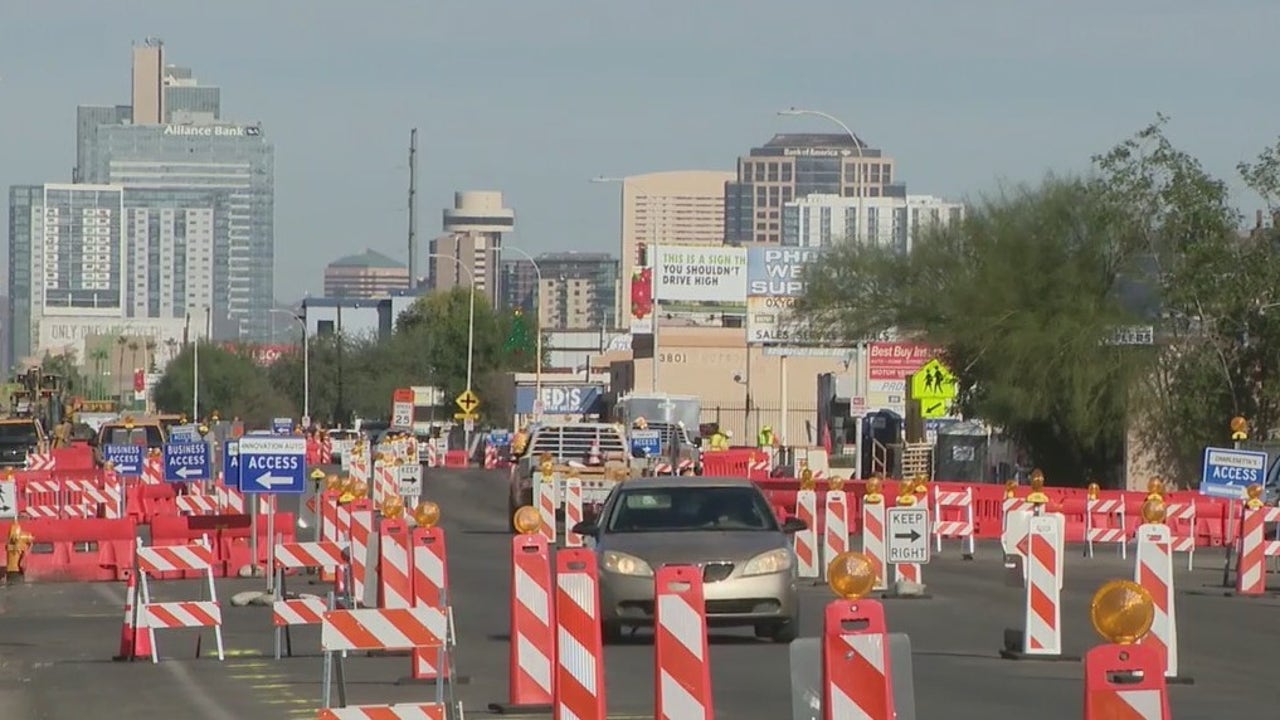
An influx of talented and passionate people is helping reinvent Downtown Phoenix. That’s because a decade-long flight from downtown Phoenix was undone in the 21st centuryy. NSThe transformation began with the creation of large activity generators, including two major sports arenas, theaters, the Downtown Campus of Arizona State University (ASU), the University of Arizona College of Medicine / Phoenix, the Phoenix Biomedical Campus, and the expansion and modernization of the Phoenix Convention Center .
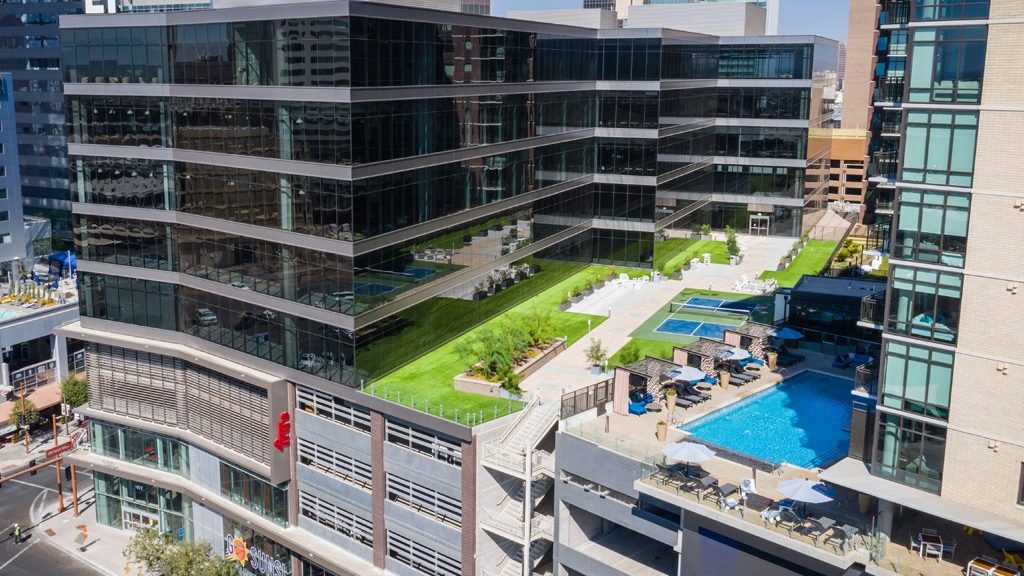
Downtown Phoenix’s rebirth since the early 2000s continued with the arrival of local small businesses, art galleries, and housing density that included filling vertical dwellings as well as restoring neighboring historic homes.
ASU has played a notable role in bringing more than 15,000 students to downtown Phoenix. This helped create an downtown city focused on innovation and entrepreneurship, committed to serving the public interest in a time of rapid and complex social change.
ASU was ranked number one in innovation by US News & World Report for seven straight years, beating schools like Stanford and MIT. ASU’s culture of innovation is deliberately geared towards the benefits of Phoenix. “In our charter, we have a fundamental responsibility to serve our community,” said Chris Richardson, ASU’s assistant chief information officer. “We have the leeway to apply this innovation mentality for the benefit of the community and to do so through the ASU Smart City Cloud Innovation Center (CIC) supported by Amazon Web Services (AWS). “
Launched in 2019, the ASU Smart City CIC is a long-term partnership that combines ASU’s research excellence with AWS cloud, technology and innovation expertise to fuel community engagement and address the city and region’s most pressing challenges, including tackling climate change, stimulating economic activity and improving education and health services.
The innovative work led by the ASU Smart City CIC includes developing a digital twin platform for Downtown Phoenix, Inc. whether it is a building or a floor or an object in the building can be connected to any data system “said Michael Jansen, Chairman and CEO of City zenith. “We created the digital twin of Downtown Phoenix in collaboration with the ASU Smart City CIC and leveraged AWS technologies such as storage, computing, artificial intelligence and machine learning (AI / ML) and the Internet of Things (IoT) to help us do it to help become more data-driven. ” and to make integrative decisions and at the same time visualize the effects of these decisions on the future of the city. “
Data that was previously stored in static Excel or PDF files and was only available to a single city administration or private company can now be aggregated into a digital twin. This has many potential benefits, not least the creation of a 3D visualization that enables citizens, businesses, policy makers, and other stakeholders to quickly grasp the relevance of data.
“People who make decisions don’t have time to dig through legions of data. You want to see it quickly and understand the effects quickly, ”said Scoville-Weaver. “For me it is one thing to say that we need more daycare centers in our inner city.
However, the value of the digital twin isn’t just about aggregating otherwise isolated data and visualizing the world as it is today. It also enables analysis and simulations of policy and investment decisions that can help accelerate and optimize decisions that benefit Downtown Phoenix. For example, phase one would be modeling all day care centers, followed by population data modeling and breakdown to know where elementary schools are located, and finally applying tools to inform where those day care centers should be based on certain trends.
The digital twin can be used to help make better decisions, from creating pedestrian-friendly streets and bike lanes, to heritage conservation and sustainability measures, to helping businesses move to downtown Phoenix. This work is largely supported by the expertise of the ASU professors and researchers. But what ASU’s Scoville-Weaver and Richardson found essential beyond technology is how the AWS-powered ASU Smart City CIC facilitates collaboration and provides a unique methodology for identifying challenges that need to be resolved.
The center uses Amazon works backwards Process with which the company’s own products are developed. It is an innovation process that is clearly not technology oriented; Rather, it starts with a deep understanding of human (i.e. customer) needs and works backwards from these to find the right solution to these challenges. “Instead of coming in and saying, here is my solution, here is my widget, here is my product, it will solve all of your problems, we are taking a technology-independent and open source approach and asking who the user is,” said Jason Whittet, AWS Digital Innovation Lead at the ASU Smart City Cloud Innovation Center. “We ask questions like: Who is the customer we want to help? What’s his problem? And then we work backwards from this starting point. “
It’s a process that already brings people together and, together with the digital twin, will ultimately lead to more impactful political and business decisions. “I think the biggest goal of the digital twin and the AWS process is to engage citizens, neighborhoods, businesses and the city all and say this is the kind of city we want to see – that kind of data we all need to create a better city, “said Scoville-Weaver.
It is important that the digital twin initiative for Downtown Phoenix complements and complements similar work in the city. For example, The Phoenix City Council implemented smart city applications to facilitate access to government services through early forms of digital twin technology such as mapping and GIS (Geographic Information Systems) databases.
The demands of the entire city correspond to those of Downtown Phoenix. “As both technology and local government evolve, we hope to find ways for digital twin technology to improve the city’s data-driven decision-making in various functions,” said Tony Motola, a senior policy advisor at Phoenix Mayor Kate’s office Gallego. “This could include complex infrastructure projects that are tied to strict rules for technology, traffic management and traffic reduction, and urban planning.”
To stay up to date on this project and learn more about more challenges, visit the ASU Smart City Cloud Innovation Center website.
[ad_2]